How do you plan a collection shoot?
A lookbook, a campaign and an editorial shoot are not the same thing. A sequence for the plan, the team, the light and the deliverables list, drawn from published guides.
WyvOne Editör ·
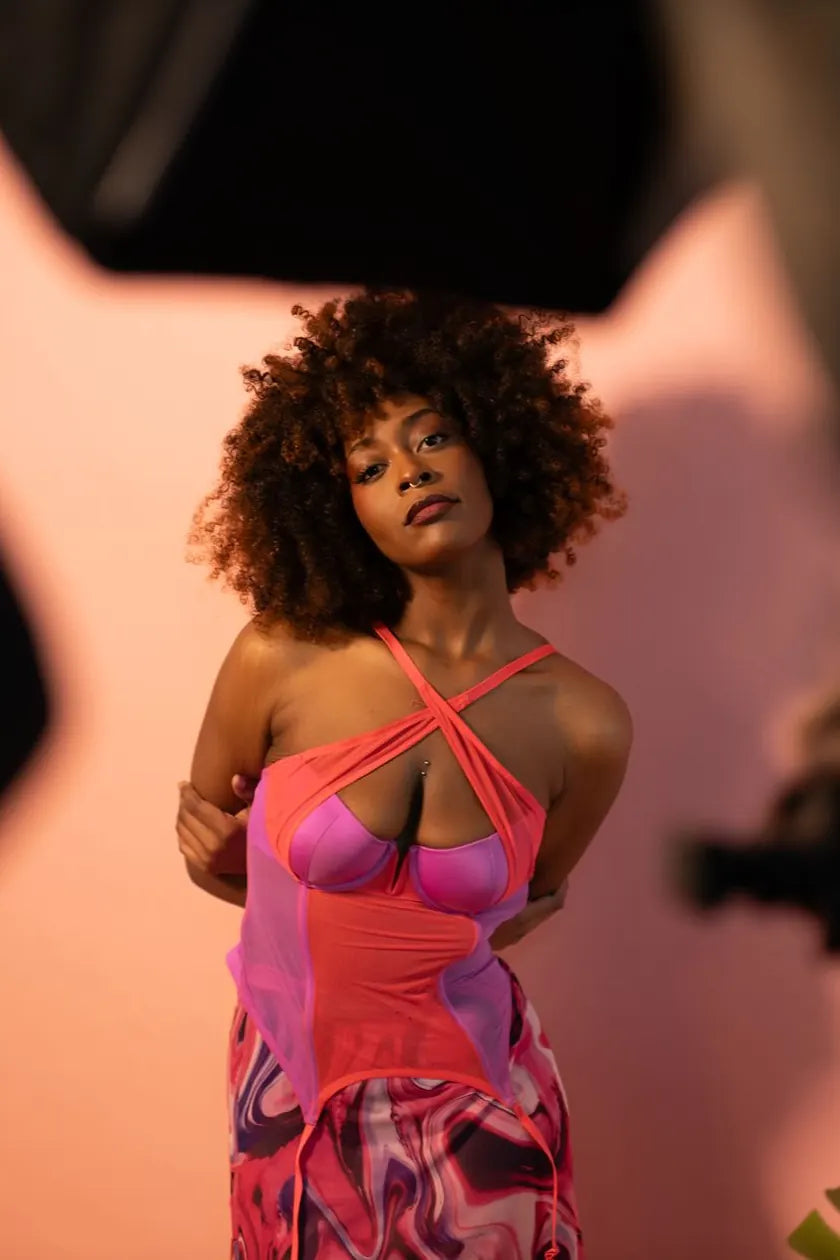
Three different shoots can be made for the same collection, and each has its own purpose: lookbook, campaign and editorial. The planning sequence below is compiled from published guides. Most of the guides come from abroad and are general in nature, so we do not give figures such as budgets or durations.
First, what are you shooting?
According to an article on the designer site Flying Solo Designers, a lookbook is an organized, consistent document aimed at buyers and customers. It usually consists of full-length front, detail, back and side views against a neutral background. It can also include size ranges, color options and prices; it is shown in showroom meetings or emailed to buyers.

A campaign, on the other hand, is aimed at social media and advertising audiences. According to the article, art direction, casting and location come together here, and the images are bolder and more cinematic; the goal is to create the desire to buy the product and brand awareness. An editorial shoot is for magazines, stylists and the press; the designer lends standout pieces, the pieces are styled together with other brands, and the main gain is not sales but visibility in the press. (The article's author information is inconsistent and it carries no year; we note this.)
This distinction is the start of planning: until you decide who the images will be shown to, you cannot know how many frames, which location or how large a team you need.
The plan and the team
Milanote's photoshoot guide divides the plan into six steps: project plan, brief, mood board, shot list, call sheet and a post-shoot contact sheet.
- Brief: the purpose, concept, deliverables (how many images, where they will be used) and target audience are settled here and shared with the team.
- Mood board: references are collected for tone, framing, light and color.
- Shot list: every frame is written down with its reference and an angle or lighting note; on shoot day it is used as a checklist.
- Call sheet: the location, the people, the schedule and everyone's arrival time are here.
- Contact sheet: an online gallery of the best frames; the client comments and makes the selection.
A Retouch4me article centered on the photographer Lenworth Johnson stresses that a mood board alone is not enough and that the brief must also contain specific decisions: style rules, the logic of the location and who has the final say on set. The same article lists the team as makeup artist, hair stylist, stylist, models, production crew and, if there is one, an art director, and recommends sharing the mood board and the brief with all of them. Marking each frame as "must have" or "nice to have" is also among the suggestions; when time runs short, it is clear from the start which frames cannot be given up. Retouch4me is a software company and the article is on its own blog, so its suggestions should be read as general logic.
Light and location
According to the same article, studio light is consistent, while location light changes through the day. If you will shoot outdoors, it recommends visiting beforehand to see how the light enters and moves through the place, getting permits in advance and making a backup plan for the studio.
For small-scale, product-focused shoots, Shopify's help page points to a simpler way: shoot by a window with the lamps off (indoor bulbs can cause a color cast), avoid direct sun, and use a white reflector card to open up the shadows. Keeping the camera and tripod in the same place throughout the shoot, and turning the product rather than the camera to change the angle, are also among the tips; the frames come out consistent.
The deliverables list
The list of deliverables should be ready before the shoot ends. The Retouch4me article recommends deciding before the shoot where the images will be used (cover, page, social media post, poster). Deliberately leaving empty space in the frame so that it can be cropped into several formats is also a suggestion from the same article.
If you will use the output on the store page, Shopify's product media page also gives a concrete reference: 2048 x 2048 pixels generally looks best for square images, and if the featured images on a collection page all use the same aspect ratio, they all appear at the same size. For a lookbook, the list at Flying Solo is a good start: full-length front, back, side and detail frames, for every color and piece.
In short, the sequence is this: who it will be shown to, brief, mood board, shot list, call sheet, shoot, contact sheet, final selection. The shoot itself is only one step in this sequence.
One more point to note: a common weakness of the guides is that they give no figures. How many frames to shoot, how large a team to build and how long it will take vary with the size of the collection and where the outputs will be used. So it is more right to write a question rather than a number on the first line of the plan: who will these images be shown to, and where?
Sources
- Flying Solo Designers: Lookbook vs. Campaign vs. Fashion Editorial (10 July (no year))
- Milanote: How to Plan a Photoshoot: The 6 Essential Steps
- Retouch4me: How Fashion Photographers Plan a Shoot Before They Touch the Camera
- Shopify Yardım Merkezi: Ürün fotoğrafı çekimi
- Shopify Yardım Merkezi: Ürün medya türleri ve görsel gereksinimleri


