How do you write the story of a piece?
A good product description wants measurements, fabric, fit and accurate information, not ornate sentences. What to write and what to leave out?
WyvOne Editör ·
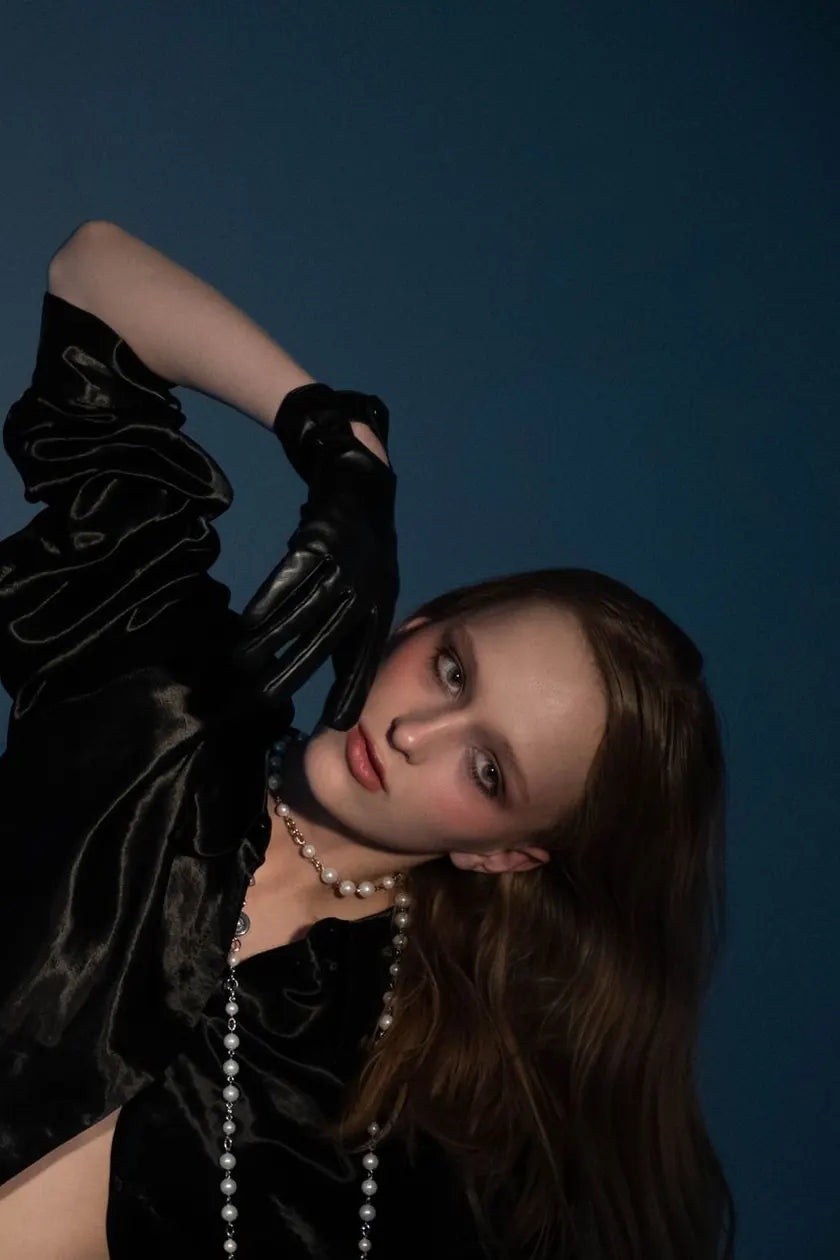
Someone who opens a jacket's page looks for answers to these questions before they read "carefully designed": will it suit me, what is it made of, how does it hang? What we call a product story is often just tidy writing built around the answers to these questions. No exaggeration is needed; verifiable information is a solid enough foundation.
Give the deciding information first
The product description guide on the Shopify Enterprise blog, written by Chris Pitocco and updated on 28 July 2026, recommends opening the description with the information that affects the purchase decision. Say what the product is, then add the details people look for, such as material, measurements or fit. Writing what each feature does for the buyer is also among the recommendations. The same article advises against repeating the manufacturer's ready-made text across several pages, and suggests building the text so it reads quickly on mobile, with a short summary followed by orderly sections.
If there are options such as color or size, the article's suggestion is to write what changes: fabric, color or size.
Measurements, fit and model information
In clothing, size is what raises the most questions. The Shopify apparel pages guide by the Easysize team recommends showing the model's height and the size they are wearing for each important color or style; that way the customer can see the piece on a body similar to their own. The same guide wants the description to say how the piece is designed to fit: slim, straight, relaxed or loose cut. The product text, the model information and the size recommendation should say the same thing; if the description says "loose cut," the size advice should match.
Here is a practical distinction: body measurements and the measurements of the product laid flat are not the same, because ease is added to a garment. State clearly which one you are giving. Writing shoulder, chest, waist, length and sleeve length as your own measurements says more than "standard size."
The same goes for fabric: Easysize recommends showing a close-up of the fabric and showing, in a short video, the flow and drape that a photo cannot convey.
Easysize's same article also points to cases where an S-M-L split is not enough: trousers with different length options, width differences in shoes, short-regular-long size splits, slim, regular, relaxed or loose cuts. If you have a piece like this, each of these options needs to be written out separately in the description.
A list of measurements at the top of the description might look like this (the numbers are filled in per piece):
- Size and model: the model's height and the size they are wearing.
- Piece measurements: shoulder, chest, waist, hip, length, sleeve length. Each in centimeters and with the size it belongs to made clear.
- Fit: a single expression such as slim, straight or loose, consistent with the photo.
- Fabric: the content stated on the label, the type of weave and knit, and whether it stretches.
Label and fabric information must be accurate
Fabric is the part of the story that most easily slips into error. According to a 2015 press statement by the Ministry of Trade of the Republic of Türkiye, textile labels must be prepared in Turkish, legibly and in a way that does not mislead the consumer. The statement says that the terms "100%," "pure" and "entirely" cannot be used unless the conditions in the regulation are met, and that the term "wool" can be used only when the conditions are satisfied. The current text of the regulation and its conditions should be checked on mevzuat.gov.tr; we have only relayed the ministry's statement.
The consequence is clear: "silk" or "100% cotton" on the page must match the piece's label and the document from the supplier you bought the fabric from. If you are not sure about a fabric's content, ask the supplier for a document before you write it.
What is the story made of?
Everything that goes into a product story should be something you know and can show:
- Who sewed the piece, where, and the scale of the workshop (for example "in a workshop of five people," if true).
- Where you got the fabric and why you chose it.
- The fit decision: why this length, why this shoulder.
- Care information and how the product will change over time.
Do not write "handmade," "local" or "sustainable" without a source. These are claims that need evidence.
Shopify's article can end with a warning: the goal is not to repeat keywords to an unnatural degree. The article also says that campaign language such as "free shipping" or "limited time" belongs not in the description but in the fields set aside for it.
The product determines the length. According to Shopify's guide, a short text is enough for a familiar product, while a product the buyer knows little about or that is complex needs more explanation. A piece with unusual stitching, fabric and fit naturally wants a few more sentences. Wherever you can put a measurement or a piece of information in place of an ornate adjective, do so; the story is made of exactly this information, told in order.


