Who does what on a film set?
From the assistant director to the focus puller, from the sound mixer to the script supervisor: how jobs are divided on a film set.
WyvOne Editör ·
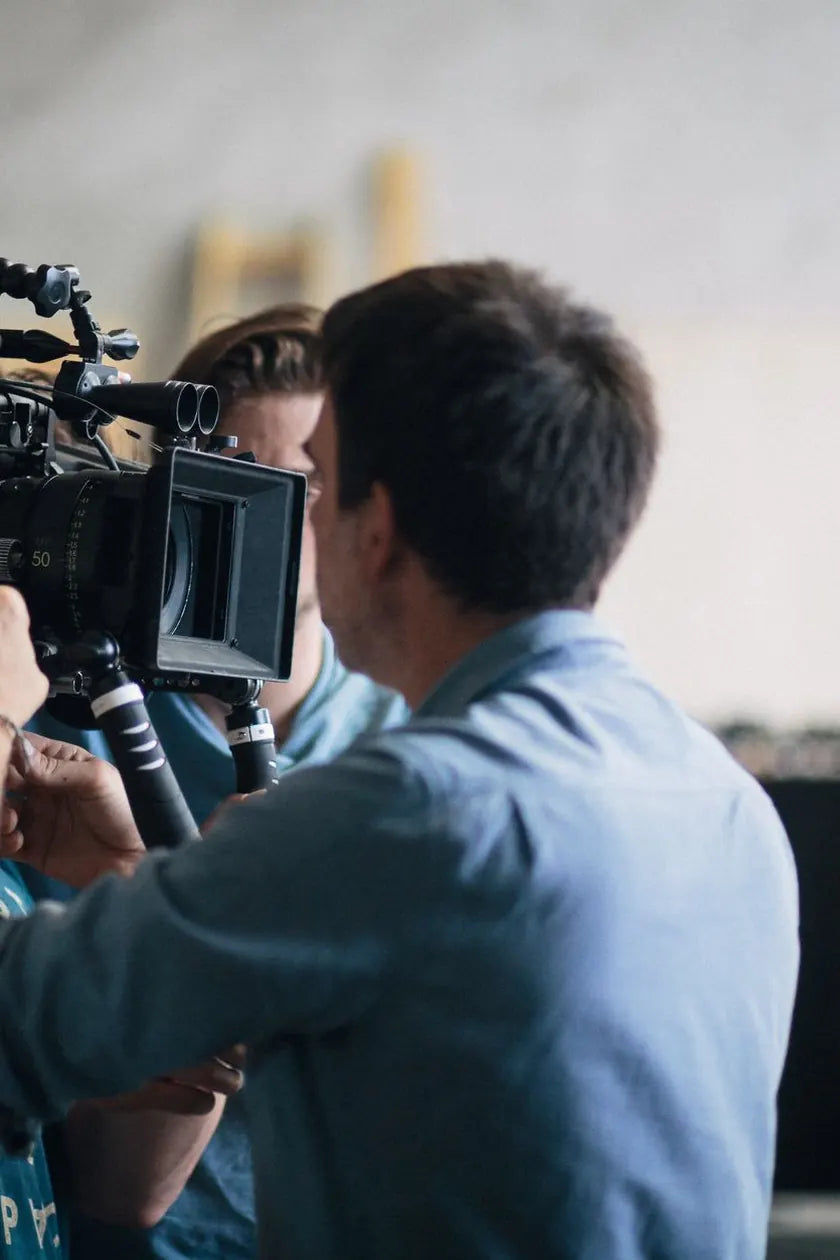
Before a shot begins, the set follows a certain order. The first assistant director asks for quiet and tells the sound and camera departments to start recording, then "action" is called. When the shot ends, the director usually says "cut". Then the footage in the camera is checked for problems, and the shot is either repeated or the crew moves on to the next setup.
Behind this order of a few seconds there is a crew of twenty, sometimes a hundred. Below I describe the main jobs on a large fiction set. On small productions one person may take on several jobs, and job titles vary from country to country. The Turkish equivalents of the titles can also differ from set to set.

The department that runs the set and keeps the rhythm
The director makes the creative decisions of the film. The person who runs the set day to day is the first assistant director. They report to the director, help prepare the shooting schedule, estimate how long scenes will take, and handle communication with the crew and set safety. They are the first person responsible for the set's timetable. It is also said that they can be one of the first to be replaced when the production falls far behind schedule and budget.
The second assistant director draws up the daily call sheet from the production schedule: who will be where, and at what time. They also organise the actors' movement to the make-up and costume departments and their trips between the rest area and the set. Extras and support crews are also their responsibility. The third assistant director helps the first on set and arranges crowd scenes. On large productions the second assistant director's job may be split in two and given to a "second second" assistant as well. Under the assistant directors work the set assistants (production assistants); they do the tasks the assistant directors give them.
There is also a script supervisor on set. They note the direction of every shot, where the actors keep their hands, and which lens was used. They draw a line on the script for each camera setup. These notes guide the editor who needs to see which shot covers which dialogue. They also record the lengths of takes and breaks.
The department that builds the image
The director of photography is the head of the camera and lighting crew. They choose the camera, lens and filter and set the lighting approach. This is the work of turning the director's vision into image; the two often decide together. Under the director of photography works the camera operator, who frames the shot and starts the recording. Some directors of photography operate the camera themselves, but most leave it to an operator.
The first camera assistant, called the focus puller in English, handles the focus. As the actor moves toward or away from the camera, they shift the lens focus to match; they measure distances and note the marks on the lens. Footage that comes out out of focus cannot be fixed afterwards, and a good performance is not easily repeated. The director of photography Oliver Stapleton describes this job as one of the hardest on set. The second camera assistant looks after the camera equipment, operates the clapperboard and keeps the technical records for each shot.
In digital shoots, a digital imaging technician (DIT) may also join the crew. They manage the camera settings and the way the footage is transferred to a computer.
Lighting and electrical work is run by the gaffer. The director of photography sets the lighting plan; the gaffer carries it out and sometimes takes part in designing it. The person who sets up camera movement, meaning supported rigs such as track, crane and dolly, is the head of the grip crew (the key grip).
The department that prepares sound and location
The production sound mixer records all the sound on set. They choose and place the microphones, run the recorder and balance the sounds in real time. They walk the shooting location beforehand to foresee sound problems. The person holding the microphone on the end of a pole, the boom operator, is part of the mixer's team and is hired by the mixer. Keeping the microphone out of the frame is their job.
The art department is headed by the production designer. They set the film's visual concept, direct the design of the sets, and often take part in location scouting. The art director manages the building and dressing of the sets; on small productions the two roles may merge. The costume designer dresses the characters, and the make-up artist makes sure the actor's face stays consistent between shots filmed on different days.
The producer may not be seen on set, but is the person who raises the film's money and crew. The production manager tracks the budget and bridges the budget and the shooting crew.
Sources
- StudioBinder: Film Crew Positions (accessed 6 November 2026)
- Wikipedia: Assistant director (accessed 6 November 2026)
- Wikipedia: Focus puller (accessed 6 November 2026)
- Wikipedia: Cinematographer (accessed 6 November 2026)
- Wikipedia: Script supervisor (accessed 6 November 2026)
- Wikipedia: Production sound mixer (accessed 6 November 2026)
- Wikipedia: Production designer (accessed 6 November 2026)
- Wikipedia: Gaffer (filmmaking) (accessed 6 November 2026)


